Fiji Travel Guide · 8 min read
Fiji Culture Guide: Traditions, Customs & Must-Know Experiences for Every Traveller
Fiji is famous for its white sandy beaches, crystal waters, tropical islands and relaxed atmosphere. But the real magic of Fiji is found in more than just the stunning scenery. The people of Fiji are so welcoming and their culture and traditions make the islands a truly special destination. There's a story in every corner of Fiji, from the old village customs and local food to the music, celebrations and the strong kinship people have with their land and ocean.
Guests staying at Papageno Resort & Dive on Kadavu Island have the opportunity to experience authentic Fijian culture away from the crowds of Fiji's larger tourist destinations. Instead of just visiting the beaches and sights, visitors can learn of the customs and attitudes that have shaped island life for generations. Papageno Resort & Dive is the perfect place for guests to sample the peaceful beauty of Fiji and the renowned warmth and hospitality of the Fijian people.
The Warm and Welcoming People of Fiji
One of the first things anyone notices about Fiji is the friendliness of the people. The famous Fijian greeting "Bula" can be heard everywhere from airports, resorts to villages and local markets. It's a greeting but means so much more. It conveys happiness, friendship, and good wishes.
Fijians are known to have a positive and laid back attitude to life. Hospitality is big in the culture and travellers are often greeted with real kindness and respect. You will get a taste of the friendly nature that makes Fiji unforgettable, whether you are chatting with a local guide, or eating or meeting people while on your island adventures.
Family and Community in Fiji: What They Mean
Fijian culture revolves around family and community. People value good relationships, and believe in supporting one another through everyday life, and celebrations and important events. In many villages people work together and share responsibilities, which creates a sense of unity among the community members.
Also in Fiji the connection between generations is very important. The elders are respected for their knowledge and experience and the traditional stories, customs and values are passed on from the older generations to the younger generations. This helps to preserve Fiji's cultural identity and visitors get to experience traditions that have been around for hundreds of years.
Exploring Authentic Fijian Villages
One of the best ways to get a feel for the country's culture is to visit a traditional Fijian village. In villages visitors can have the opportunity to experience local lifestyles, learn about customs and meet people more personally. Many communities still practice traditions that reflect their history and relationship to the land.
In some villages visitors may participate in a traditional welcome ceremony called a sevusevu before entering. The ceremony is a way to connect guests with the local community and pay respect. Typically this involves the kava being given to the village chief, along with words of welcome and conversation.
Visiting a village is not only about viewing traditions but it is about making connections. Travellers will discover local customs, hear stories from locals and gain a better understanding of everyday life in Fiji.
The Importance of Kava Ceremonies in the Culture
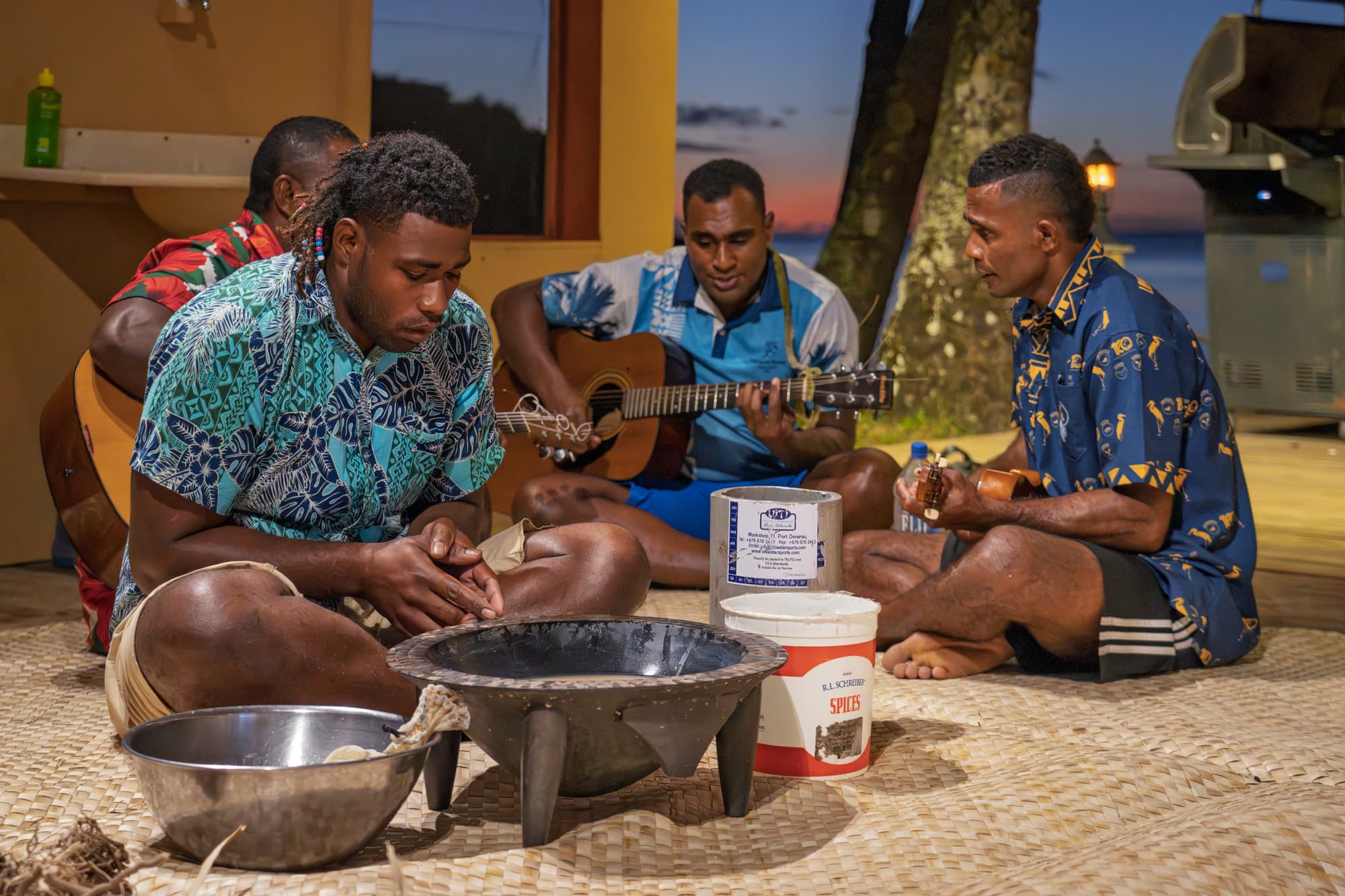
Kava is one of the most significant cultural practices in Fiji. Kava is a traditional drink from the root of the yaqona plant, passed down from generation to generation and shared at ceremonies, meetings and special occasions. It is a sign of respect, friendship, and unity among people.
A kava ceremony is a quiet experience. People sit together and share a drink and talk with each other. Those visitors who participate in this tradition are presented with a unique opportunity to experience an important part of Fijian culture and to gain insight into the importance of connection in island communities.
Visitors may not know what kava tastes like, but it is the experience of the culture around the drink that makes it important. It's all about sharing with others and being part of a traditional Fijian gathering.
Traditional Fijian Food and Flavors of the Islands
Food is a very important part of Fijian culture and has a huge part to play in bringing people together. Sharing traditional food with family, friends, and guests is a sign of hospitality. The local cuisine is based on the natural resources of the islands and comprises fresh seafood, tropical fruits and vegetables, coconut and locally produced goods.
Lovo is one of Fiji's most popular traditional cooking methods. This involves cooking food underground with heated stones, imparting a distinctive smoky flavour. Traditionally lovo is made at festivals, family reunions and other special occasions where people get together to eat and chat.
Another popular Fijian dish is Kokoda, which is made with fresh fish, coconut milk, lime juice and spices. Another important part of Fiji's heritage to explore is the local food, where travelers can learn about the flavors connected to island life.
Dance, Music and Stories in Fijian Culture
Fijians use music and dance as important ways to celebrate their history and traditions. Traditional performances are often used to express storytelling, reverence for ancestors, and community-building. Fiji's history and values are passed on from generation to generation through songs and dances.
The Meke is one of Fiji's best-known traditional performances. It is a performance that utilizes singing, dancing and storytelling to relate legends, important events and messages concerning their culture. From the past stories come alive with movement, music and expression from the performers.
Visitors will remember an experience of a traditional Fijian performance. It is a glimpse of the creativity, passion and cultural pride that keeps Fijian traditions unique.
Fiji's Close Relationship with Nature and the Ocean
Fijian culture is very much a nature-based culture. The islands' oceans, forests and land have provided communities with food, resources and a way of life for generations. This has created a great respect for protecting the natural environment.
In Fijian tradition, the ocean is a special place. Many groups have a lot of knowledge about life in the sea and use practices that help care for the sea. Traditional knowledge of fishing, respect for coral reefs and natural resources awareness have been handed down for generations.
Tourists visiting Fiji can experience this connection through activities like snorkeling, diving, island tours and nature walks. These experiences give travelers the chance to immerse themselves in Fiji's natural beauty and understand why it is so important to the local communities to protect the environment.
Fiji's Traditional Dress and Cultural Customs
Fijian culture is also known for its traditional dress. People may wear traditional clothes at ceremonies and special occasions, to show respect for cultural events. Both men and women wear the sulu, a wrap-around garment. It is often worn for formal occasions and celebrations.
Respect is a part of the Fijian way of life. Visitors should dress appropriately when visiting villages and attending cultural events and observing local traditions. Simple things like saying hello politely, listening carefully and showing appreciation can go a long way to ensure you have positive interactions with local communities.
Knowing these customs will allow travelers to have a more respectful and authentic experience while in Fiji.
Festivals and Celebrations: Celebrating the Heritage of Fiji
Festivals and cultural celebrations provide the opportunity for communities to come together and for visitors to experience Fiji's traditions. Typically, these events include traditional music and dance, local delicacies, handicrafts, and activities that showcase the country's cultural diversity.
The celebrations in Fiji are lively, full of joy and community based. It gives locals and visitors a chance to share experiences and absorb the traditions that continue to define island life.
The most memorable experience a traveler can have on a Fiji holiday is attending a cultural event. It's a closer look at the people, stories and traditions that make up this beautiful island nation.
Experience Real Fiji Culture As A Traveller
Experiencing Fiji culture is more than just seeing the must-see sights. It's about meeting people, learning about traditions and respecting the values that make the islands so special. Simple gestures, like learning a few words in Fijian, respecting local customs and showing an interest in the culture can open up great experiences.
Visitors to Fiji often leave with memories of not only beautiful beaches but the conversations, friendships and cultural moments they encountered along the way. Most often it's the kindness of the people and laid-back island life that is the highlight of their trip.
Discover Fiji's Culture at Papageno Resort & Dive
A Fiji holiday provides the ideal blend of natural beauty, relaxation and cultural discovery. Fiji is known for its beautiful scenery but the real soul of Fiji is in its people and traditions. The generous hospitality of the local communities, the richness of the cultural traditions and the welcoming island vibe all come together to create memories that live on with visitors long after their trip is over.
Papageno Resort & Dive offers guests the chance to enjoy the beauty of Fiji and the relaxed and friendly vibe of island life. Every moment is a chance to feel the true heart of Fiji, be it diving into local traditions, tasting real food, or even just meeting the locals.
Experience the Real Fiji at Papageno Resort & Dive
Genuine Fijian hospitality, world-class diving, and unforgettable cultural experiences await on Kadavu Island.
Plan Your Stay