Fiji Travel Guide · 7 min read
Driving in Fiji: Everything You Need to Know Before Renting a Car
Fiji is famous for its turquoise lagoons, tropical rainforests, friendly villages and laid-back island lifestyle. Many tourists on holiday prefer to relax at beachside resorts or hop between islands, but renting a car is one of the best ways to discover the country’s larger islands at your own pace. Driving lets you explore parts of Fiji that many organized tours don’t reach, from scenic coastal drives to secret waterfalls to local markets.
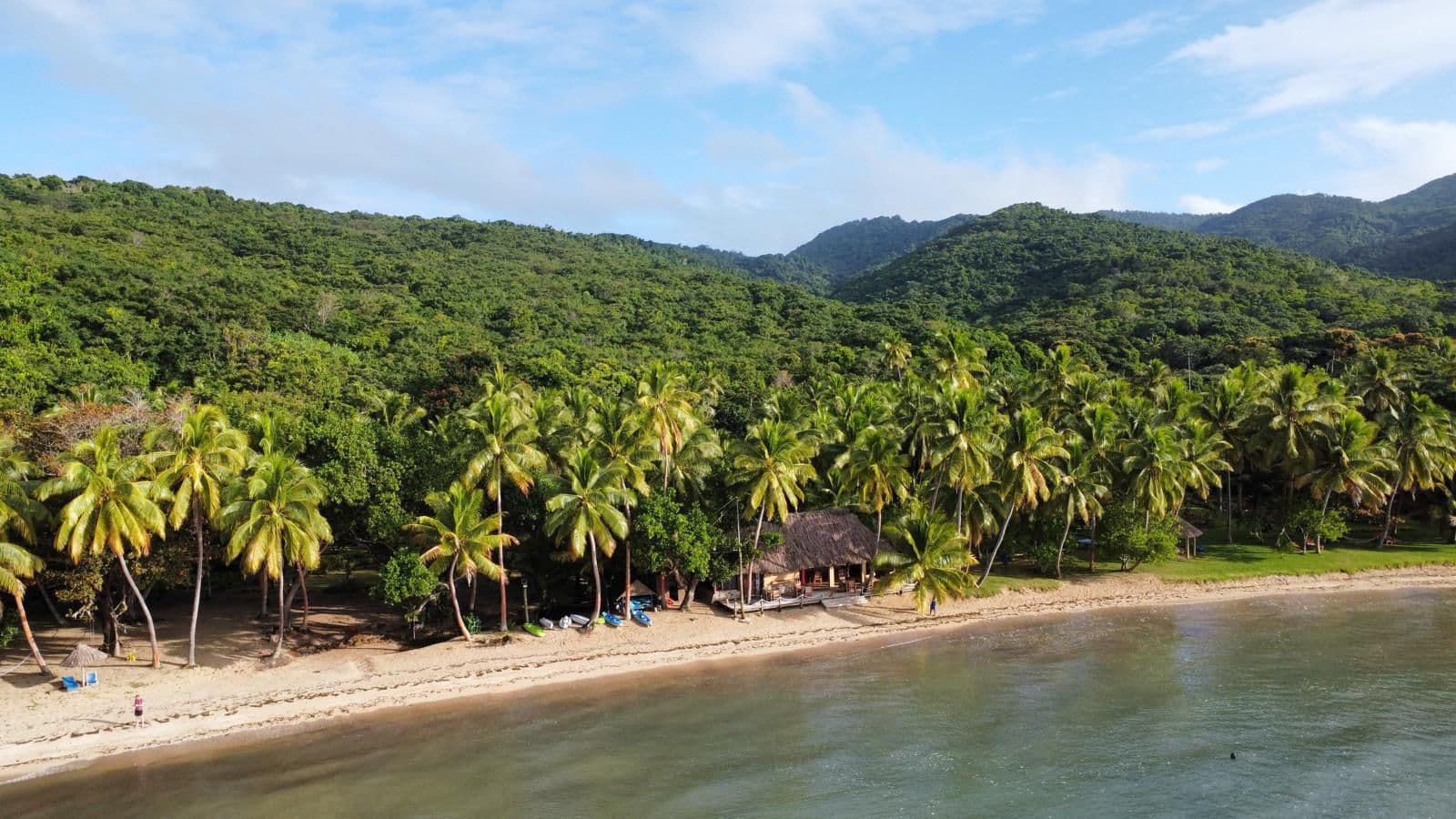
If your travel plans include a stay at Papageno Resort & Dive at Kadavu Island, your trip will be a bit different. Only accessible by boat, the resort is nestled on the tranquil shores of Malawai Bay. Most guests fly into Vunisea Airport and then enjoy a scenic 30 minute boat transfer to the resort. Many travellers choose to rent a car to explore Fiji’s main islands before heading to Kadavu, allowing them to combine a self-drive adventure with a peaceful island escape.
Do You Need an International Driving Permit?
Visitors from many countries can drive in Fiji with a valid driver’s licence in English. If your licence is not in English, you are recommended to carry an International Driving Permit together with your original licence.
Check the latest driving requirements with your rental provider and ensure your licence is valid for local regulations before collecting your rental car.
Driving Rules You Should Know Before You Go
Driving in Fiji is relatively straightforward; however, visitors should understand the local road rules before getting behind the wheel.
Some important things to remember are:
- Drive on the left side of the road.
- Drivers and passengers are required to wear seat belts.
- Obey local speed limits, which vary between towns and highways.
- Never use a mobile phone while driving unless it is a legal hands-free system.
- Watch for pedestrians, livestock, cyclists and buses, particularly in rural areas.
Take your time and drive defensively. It makes exploring Fiji all the more enjoyable.
Road conditions around Fiji
Road quality depends on where you travel.
Major highways around Viti Levu are sealed and generally well maintained, particularly around Nadi, Lautoka and Suva. However, some rural roads may be narrower, rougher or partly unsealed.
Heavy tropical rain can also affect the driving conditions, especially in the wet season. Storms mean extra caution when traveling, as reduced visibility, slippery roads and occasional flooding can occur.
Planning your route before you leave and avoiding unfamiliar roads in the dark can help make your journey safer.
Viti Levu Scenic Drives
Renting a car gives you the opportunity to explore Fiji beyond the most popular tourist destinations, which is one of the biggest benefits.
Popular driving routes include the Coral Coast which offers a relaxing road trip atmosphere with ocean views, small villages and local cafes. Inland drives lead to waterfalls, rainforests and traditional communities for a glimpse of everyday Fijian life.
If you have your own transport, you can stop and look at anything you like, rather than follow a set tour.
Tips on Renting a Car in Fiji
The type of rental car you need depends on your travel plans.
A compact car is fine for most highway travel and city sightseeing. If you intend to explore more rural areas, you might want to look at an SUV for a bit more comfort on bumpy roads.
Before checkout at the rental office:
- Check the car for any existing damage.
- Understand your insurance coverage.
- Verify fuel policies
- Check emergency numbers.
- If you are traveling outside major towns download offline maps.
A little preparation can save you from some unpleasant surprises on your trip.
Parking & Fuel
Fuel stations are fairly easy to find in larger towns but less so in the back of beyond. When driving in the countryside, it is best to top up when your tank is less than half full.
Parking around shopping areas, attractions and beaches is generally pretty easy although some places may have small parking charges. Always obey local parking signs and do not block village or private property entrances.
Respect local communities when driving
Driving through Fiji also means passing through many traditional villages where local customs are highly regarded.
Slow down when entering villages and show respect to pedestrians and community activities. Avoid unnecessary horn honking and always yield when you should.
Responsible driving helps preserve the warm hospitality that Fiji is known for.
Combining a Self-Drive Holiday with a Kadavu Island Escape
Many visitors like to combine two very different Fijian experiences in one holiday.
Renting a car will give you the freedom to explore Fiji's main islands, their landscapes, beaches, markets and attractions at your own pace. Fly into Vunisea Airport after your mainland adventure and continue your journey with a scenic boat transfer to Papageno Resort & Dive on Kadavu Island.
Life on Kadavu is more laid-back, with nature taking centre stage and roads playing a much smaller role than on Fiji’s larger islands. Days are spent diving the spectacular Great Astrolabe Reef, snorkeling the vibrant coral gardens, kayaking across the calm waters, hiking rainforest trails, birdwatching, or just relaxing beside Malawai Bay.
A great Fiji itinerary offers a lovely balance of scenic road trips and peaceful island living.
When is the Best Time to Drive in Fiji
Fiji can be explored year round, but many travelers find the drier months offer more comfortable driving conditions with clearer skies and better visibility of the road.
If you happen to be visiting during a wetter season, give yourself a little additional travel time, and watch local weather before taking longer journeys.
Keeping your schedule flexible can make your journey safer and more enjoyable.
What To Take On A Self-Drive Holiday In Fiji
Packing the right essentials will make your drive more comfortable, especially if you want to explore some of the regions before heading to Kadavu. Bring lightweight clothes for Fiji's tropical climate, sunscreen, insect repellent, a reusable water bottle and comfortable shoes for sightseeing.
It is also good to bring a phone charger for your car, sunglasses and a printed or off-line map if mobile coverage becomes limited in remote areas. Prepare ahead and enjoy the trip with less interruption.
Conclusion
Hiring a car is one of the best ways to explore Fiji’s larger islands, giving you the freedom to discover coastal scenery, cultural attractions, local villages and natural landscapes at your own pace. If you prepare well and know the local road conditions, driving can be one of the highlights of your holiday.
If your adventure continues to Papageno Resort & Dive, the experience changes when you reach Kadavu. Guests typically fly to Vunisea Airport before continuing by scenic boat transfer across Malawai Bay to the resort. From there, the focus shifts from driving to exploring the pristine marine environment, rainforest and peaceful island surroundings—creating a memorable contrast between a self-drive adventure and a relaxing Kadavu Island escape.
Experience the Real Fiji at Papageno Resort & Dive
Genuine Fijian hospitality, world-class diving, and unforgettable cultural experiences await on Kadavu Island.
Plan Your Stay